


Face Reading Specialist Insight: What Your Expressions Reveal About Everyday Patterns
Your face tells a story every single day—and most people never notice it. Lines settle where frowns, squints, and laughter happen most. Stress pulls the jaw tight. Mood shifts the eyes, softening or narrowing them without any thought. A face reading specialist picks up on these things—not to pass judgment, but to understand how habits, temperament, and inner patterns show up on the surface. This practice has roots in Indian, Chinese, and other cultural traditions that go back centuries. Back then, the face was treated as a map of character. Today, that same curiosity remains, just without the mystical theatre. The shape of a nose does not lock anyone into a fixed fate. What matters more is where tension hides, how stress surfaces, and which emotions sit closest to the skin.
A reader names the sign, then holds it up against real life. It also keeps things personal, because two people with near-identical features often live very different inner lives. Many traditional systems divide the face into three zones—the forehead for thinking and planning, the band across the eyes and nose for drive and perception, and the lower face around the mouth and chin for emotion and expression. These zones work less like rules and more like conversation starters. The person being read gets to decide what actually fits.
What a Face Reading Specialist Notices First
The first few minutes with a face reading specialist are quiet. No big pronouncements. Just close attention. A few things tend to stand out early. Faces are always moving, but certain expressions come back more than others. A mouth that rests in a slight smile often belongs to someone at ease around people. A pressed or downturned mouth may point to restraint or just plain exhaustion. The important thing is that expressions used over and over time, they gradually shape the muscles and skin around them—so they often convey more than any fixed feature ever could.
How the Two Sides Line Up
No face is perfectly symmetrical. One eye sits a touch lower. One corner of the mouth lifts a little more during conversation. Readers look at that balance as a clue to how someone distributes their energy—between logic and feeling, between action and stillness.
Where Tension Tends to Gather
Small muscles are stubborn holders of stress. Tightness near the eyes, a jaw that never fully loosens, and lips pressed firmly together often indicate that stress has not yet found a way out. Noticing where it lives is usually the first step toward doing something about it.
Observation Is Not Fortune-Telling
This is worth saying plainly: face reading deals in tendencies, not certainties. A strong chin is not a promise of resilience. Thin lips are not a sign of a cold personality. Features hint at leanings—and those leanings are constantly shaped by choice, habit, circumstance, and time. Expressions shift too. A face carrying years of heavy stress often looks noticeably different once that pressure eases. That’s why a thoughtful reader speaks in terms of “right now” and “often” rather than “always” and “forever.” The real value here is awareness—the kind that opens up possibilities rather than limits them. Once a person spots a pattern they hadn’t seen before, they get to decide what to do with it.
How a Session Usually Flows
Most sessions run between 30 and 45 minutes. They happen in person or over a video call with decent lighting—natural light near a window works best. Here’s what typically takes place:
- A brief conversation about what brought the person to the session
- A quiet observation of the face at rest and during natural talking
- Notes on habitual expressions, balance between the two sides, and areas of held tension
- Room for pushback, questions, or simply sitting with what comes up
- A handful of simple takeaways to carry into the weeks ahead

Where a Face Reading Specialist Draws the Line
A grounded face reading specialist is upfront about where the work ends. Consent isn’t optional—the person being read sets the limits, decides which topics are on the table, and holds the right to pause or stop at any point. There’s no place in this work for judgments about someone’s intelligence, moral character, or worth. Features don’t prove that a person is lazy, dishonest, or headed for trouble. Comments about appearance stay neutral and careful, because faces hold real emotional weight for many people. Readings also stay clear of anything tied to race, age, gender, or disability. At its best, this kind of observation helps you navigate self-reflection with sharper focus. It improves your chances of catching habits that might be worth changing—while keeping your judgment firmly in the driver’s seat.


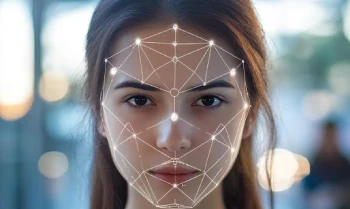
Seeing Your Face With Fresh Eyes
Years of habit, effort, and emotion leave their mark on a face. A face reading specialist could read those marks with care and without judgment. They could turn small details into something genuinely useful. That may help you gain a clearer sense of patterns, a little more ease in the body, and a better foundation for the choices ahead. For a calm, unhurried session built around honest reflection, Pandith Shivaram offers private face reading consultations, both in person and online. Taking that first step is straightforward, and there’s no pressure attached to it.
Frequently Asked Questions
Light makeup is generally fine. Heavy contouring or thick foundation tends to cover the fine lines and natural shading that a reading pays attention to. A bare or lightly made-up face gives the clearest picture.
Not significantly. Glasses usually come off briefly so the eye area is fully visible. A beard covers some jaw detail, but expressions and everything above the cheekbones still offer plenty to work with.
To some extent, yes. Fillers and muscle relaxers soften lines that habitual expressions would otherwise create. Mentioning any recent treatments at the start helps the reader focus on what’s still clearly visible.
Yes. Details stay confidential. Clients choose what to share, and nothing gets passed along to partners, family, or anyone else.
Ethical practitioners refuse those requests outright. Assessing someone’s suitability for a job based on facial features is fundamentally unfair — and in many places, it may also cross legal lines around discrimination.